Canada Boosts Newborn Aid Amid Growing Crisis
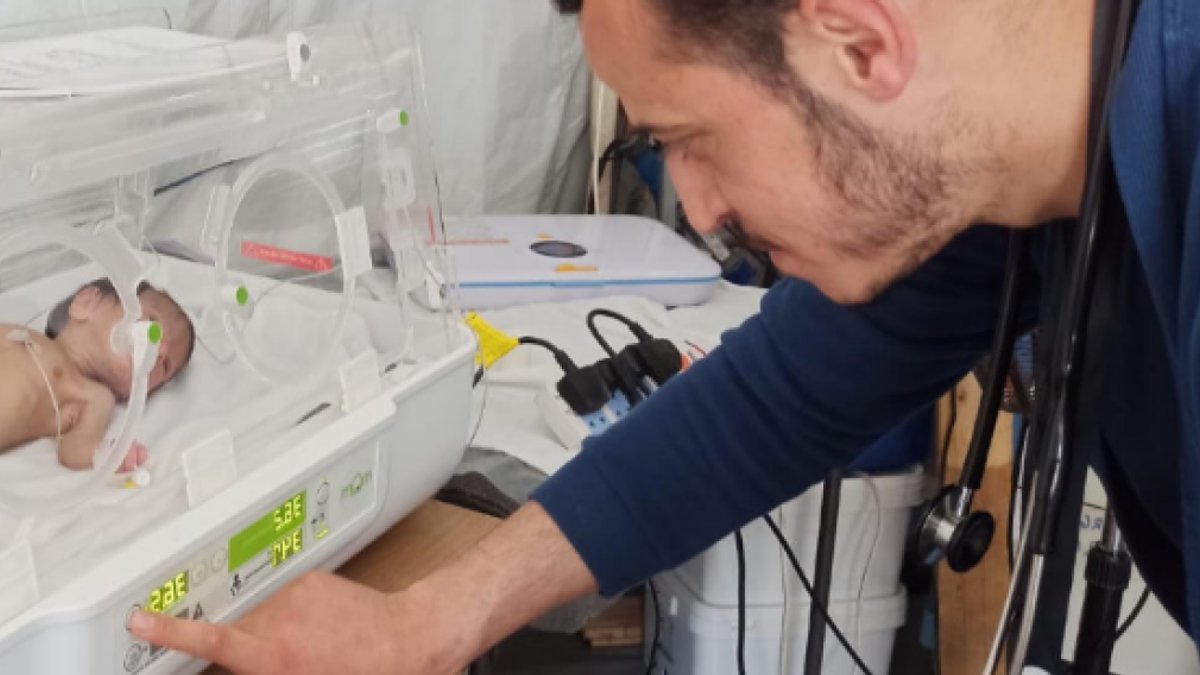
The protracted conflict in Sudan has left the nation’s health infrastructure in a state of severe disrepair, creating a cascade of challenges that disproportionately affect the youngest patients. In response, an international coalition has mobilized a sizable pool of resources aimed at delivering neonatal incubators to hospitals that have been stripped of essential equipment.
The initiative is coordinated by the Creating Hope in Conflict partnership, a collaborative effort that brings together the United Kingdom’s Foreign, Commonwealth & Development Office and Global Affairs Canada under the stewardship of Grand Challenges Canada. By pooling diplomatic and financial clout, the partnership has been able to earmark funds specifically for the procurement, transport, and operational support of a new generation of incubators designed for crisis environments.
These incubators will be distributed across a network of healthcare facilities that have been identified as critical points of care for newborns. The rollout includes not only the physical devices but also a full training program for local staff, ensuring that the technology can be effectively integrated into daily practice despite the constraints imposed by conflict‑driven shortages.
To execute the delivery, mOm Incubators has joined forces with International Medical Corps, leveraging the organization’s extensive experience in emergency health response. Lauren Bellhouse, a senior advisor with IMC specializing in maternal and newborn health, emphasizes that providing reliable thermal care is a foundational element of neonatal survival. She describes the incubators as “critical” for infants who are born prematurely or with health complications, noting that such equipment is often scarce in volatile settings.
Bellhouse also points out the logistical hurdles that typically accompany the deployment of sophisticated medical devices in war zones. The mOm Essential Incubator is engineered specifically for these realities: its compact footprint conserves valuable space in overcrowded wards, and its lightweight construction makes transportation through damaged infrastructure more feasible. The unit’s energy‑efficient design, coupled with a built‑in backup battery, ensures continuous operation even when power supplies are intermittent or completely unavailable.
Related: Canada should lead AI health alliance
Beyond Sudan, the same incubator model has proven its adaptability in other high‑stress environments, having been utilized in regions such as Eastern Europe and the Middle East, as well as within the United Kingdom’s National Health Service. This track record demonstrates the device’s versatility and shows its suitability for settings where resources are limited and the need for resilient equipment is vital.
The timing of this investment aligns with a period of unprecedented strain on the global humanitarian architecture. Recent statements from senior UN officials have highlighted the scale of financial reductions affecting relief operations, describing them as “cuts without historic precedent.” In Sudan, the situation has been characterized by a leading UN Population Fund spokesperson as one of the most devastating chapters in recent memory, showing the urgency of targeted interventions.
In this context, the infusion of support for newborn care represents a strategic effort to address a vulnerable segment of the population that might otherwise be overlooked amid broader emergency response priorities. By focusing on thermal regulation and the immediate health needs of infants, the partnership aims to break the cycle of high infant mortality that has been exacerbated by the ongoing conflict.
Cassi Henderson, who leads humanitarian partnerships for mOm Incubators, notes that the collaboration exemplifies how specialized technology can be paired with international cooperation to deliver life‑saving solutions where they are most needed. The coordinated approach—combining funding, logistical expertise, and on‑the‑ground medical knowledge—illustrates a model for future interventions in similarly challenged environments.
Overall, the concerted effort to introduce these incubators into Sudan’s strained health system reflects a broader commitment to safeguarding the health of the nation’s youngest citizens, even as the country continues to handle the complexities of prolonged unrest.


