ARPA-H funds $100 million for advanced health biosensors
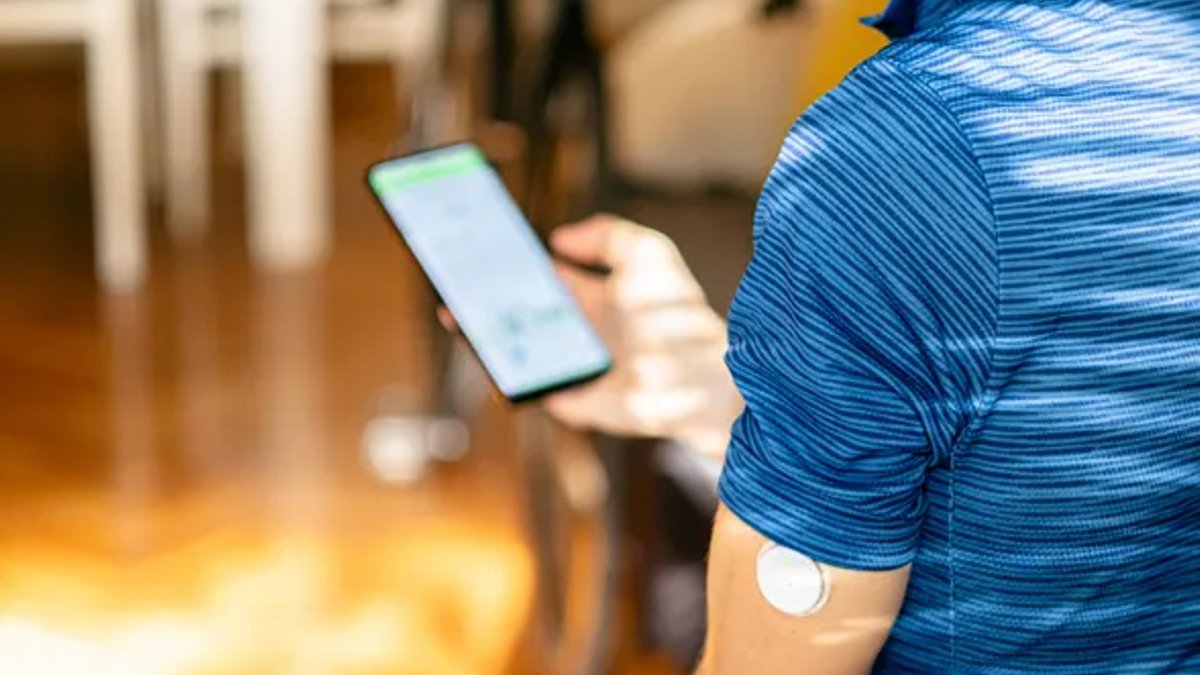
The Advanced Research Projects Agency for Health (ARPA-H) has allocated over $100 million to four organizations developing biosensors, with the goal of improving continuous health monitoring beyond basic measurements like heart rate. This initiative targets conditions including heart disease, inflammation, and perimenopause through wearable devices equipped with innovative energy and sensing technologies.
Massachusetts Institute of Technology (MIT) leads the effort with a $37.9 million grant for a clinical-grade patch designed to monitor heart failure biomarkers. The device will harness body heat as its power source and integrate artificial intelligence to enhance efficiency. MIT’s project supports ARPA-H’s broader strategy of replacing fragmented sensor designs with a modular “chiplet” system, enabling developers to mix and match components as needed.
Novelna, a California-based proteomics company, will use its $33.2 million award to develop a patch capable of measuring inflammation after a heart attack. The device leverages the body’s natural electrical conductivity to prolong battery life, potentially reducing hospital readmissions. New York University (NYU) has secured $30.8 million for a patch featuring microscopic probes inserted under the skin, powered by DNA-based sensors and energy captured from Bluetooth or Wi-Fi signals.
Read Also: Urinary Incontinence May Signal Early Frailty Risk
ARPA-H’s Delphi program, introduced in March, shifts the focus from short-term data collection to continuous, interoperable monitoring. The agency expects teams to demonstrate full interoperability and adhere to secure communication standards in the first 18 months of the program. In vivo demonstrations of prototypes are due after 24 months, by which time teams should also have identified additional sensors to augment the range of biomarkers. After 54 months, ARPA-H expects teams to have completed clinical trials or human factors studies.
Unlike existing wearables that typically track single health metrics, these new projects address more complex conditions. For instance, perimenopause lacks reliable biomarkers, making the University of Washington’s $7.5 million project particularly significant. Its sensor relies on reusable proteins found in sweat, with sensitivity adjusted through local pH levels to ensure long-term accuracy. The program’s emphasis on energy autonomy, whether through body heat, radiofrequency signals, or chemical-based refresh cycles, marks a deliberate move toward self-sustaining health technology.

Urinary Incontinence May Signal Early Frailty Risk


