Hormonal IUDs Offer Relief for Perimenopause Symptoms
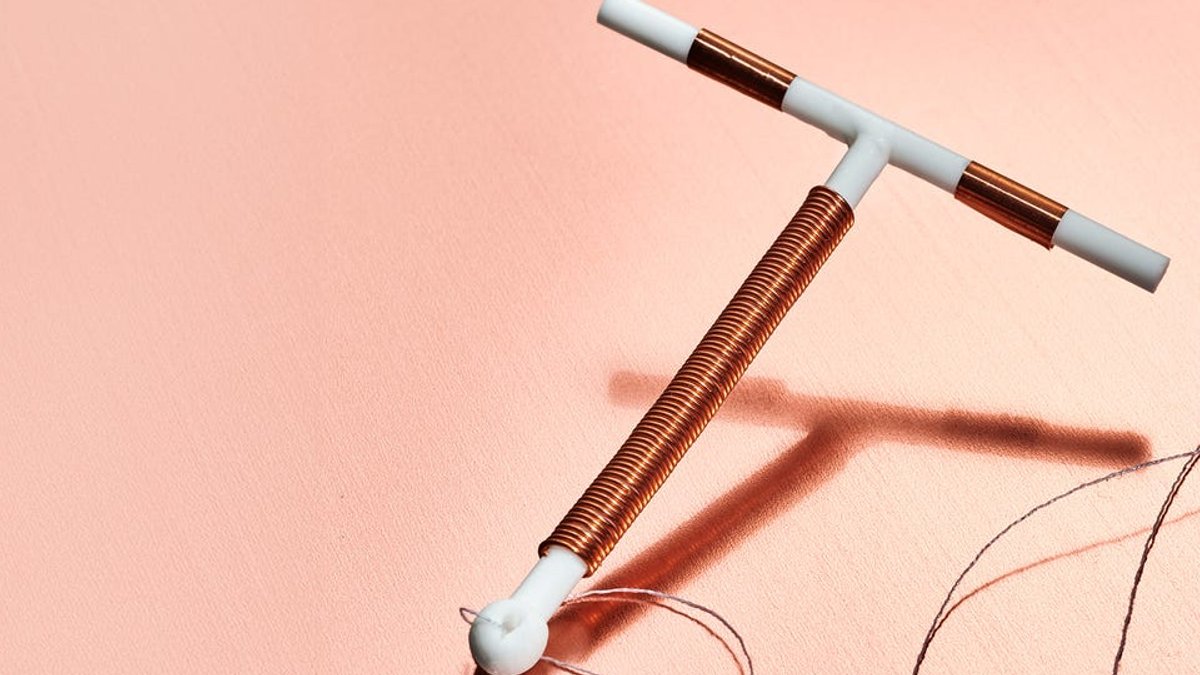
Managing menopause can be a confusing and frustrating experience, with symptoms ranging from night sweats to heavy periods. While hormone therapy is a common approach to ease these symptoms, hormonal intrauterine devices (IUDs) can also be a helpful option. According to Heather Hirsch, MD, an internist and certified menopause specialist, perimenopause is a time of significant hormonal chaos, with progesterone declining and estrogen becoming more volatile. This hormonal fluctuation can cause anxiety, difficulty sleeping, hot flashes, night sweats, brain fog, vaginal dryness, and painful sex.
Dr. Hirsch notes that hormonal IUDs contain a form of progesterone, which can help decrease bleeding and pelvic pain. Sophia Yen, MD, a reproductive health specialist, adds that IUDs can be a significant benefit for women experiencing perimenopause symptoms, offering relief that many oral options do not provide.
Hormone Therapy Options
Standard menopausal hormone therapy typically involves taking a form of estrogen and progesterone together. Estrogen targets symptoms like hot flashes and night sweats, while progesterone may help with sleep quality and anxiety. She explains that progesterone also protects the uterine lining from becoming too thick, thereby reducing the risk of endometrial cancer.
Yen notes that hormone therapy prescriptions can come in various combinations, including estrogen pills, patches, or gels, along with progesterone pills. Alternatively, an IUD can be inserted for progesterone delivery. The Mirena and Liletta IUDs, which contain 52 milligrams of levonorgestrel, are specifically recommended for easing perimenopause symptoms and are approved for up to five years of use.
Benefits of IUDs in Perimenopause
The main benefit of getting an IUD in perimenopause is the lighter, less intense periods, according to Dr. Hirsch. Yen adds that IUDs can also be appealing for those who have experienced side effects from progesterone pills or patches. The localized release of hormone from the device can be helpful for women who have felt sedated, bloated, or experienced worsening mood symptoms from systemic progesterone.
Read Also: Gemma Atkinson Returns with Multi-Muscle Strength Routine
Additionally, IUDs can prevent pregnancy, which remains a concern for many women in midlife. She notes that there are no major contraindications to getting a progesterone IUD, except for pregnancy, active sexually transmitted infections, or pelvic inflammatory disease. However, the insertion process can be painful; a 2023 study reported that about half of women experienced intense pain during placement. In fact, a 2023 study in The European Journal of Contraception Reproductive Health Care assessed the pain of over 1,000 women who got IUDs placed, and about half of women who had an IUD insertion said they felt “intense” pain, compared to none, light, or moderate pain.
For women who have heavy periods, bad reactions to other forms of progesterone, and dislike taking pills or remembering to reapply patches, an IUD may be a suitable option. Yen recommends asking for a paracervical block to numb the cervical area during the procedure. It is also essential to check in with a doctor near the five-year mark, as the uterine protective effects and efficacy for heavy bleeding during perimenopause only last for that duration.
Although approved for eight years of contraception, studies show the bleeding-reduction effect lasts about five years in perimenopause.
Yen says that if your periods are irregular, an IUD may not be the best fit, as your cycles will likely remain irregular. In those cases, hormonal birth control pills or rings may be a better option. For those with a history of hormone receptor-positive cancers, topical vaginal estrogen cream may be a safer alternative, as it helps with painful sex, friction during intercourse, and recurrent UTIs.


