Two new weight loss pills now offer needle-free options
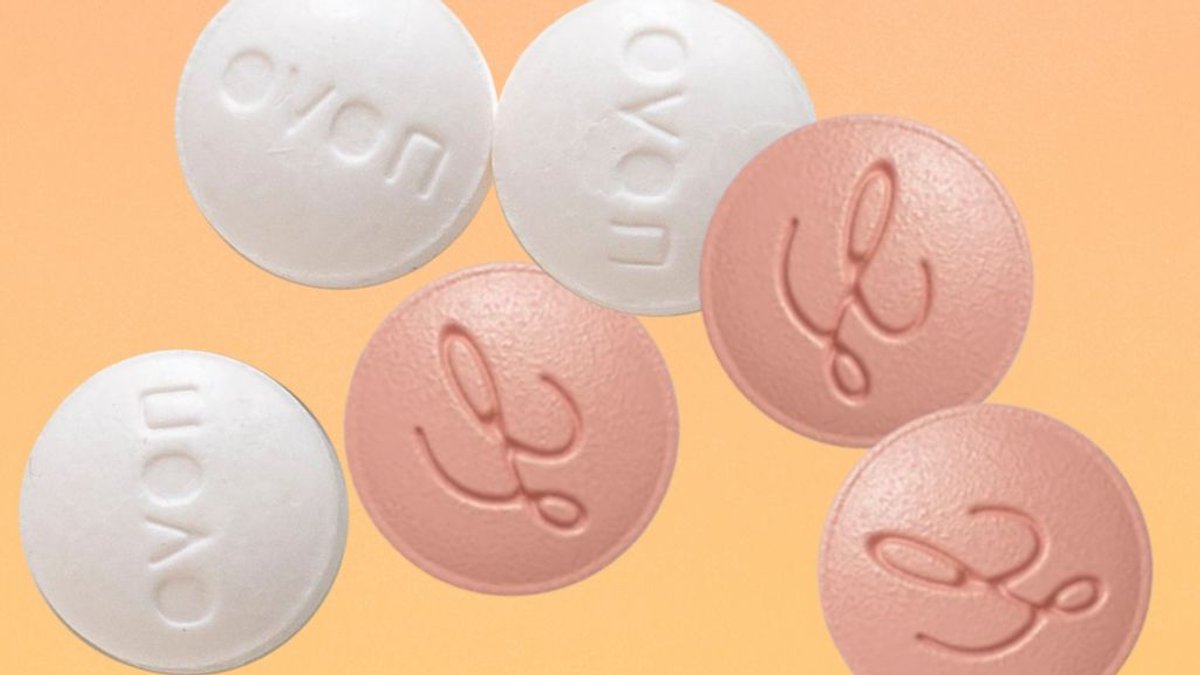
The choice of weight loss medications has become simpler for patients. For the first time, two oral GLP-1 drugs—Wegovy (semaglutide) and Foundayo (orforglipron)—are available, both approved by the FDA in early 2026. These options provide needle-free alternatives to injectable treatments that have long dominated the market.
Two pills, one goal: how they work
Wegovy, created by Novo Nordisk, represents an oral adaptation of its injectable semaglutide, which has already established itself as a market leader. The drug replicates GLP-1, a hormone that triggers feelings of fullness and slows digestion. The pill begins with a low dose before escalating to a maximum approved strength of 26 mg. Patients must take it first thing in the morning on an empty stomach, consuming only four ounces of water, and wait 30 minutes before eating or taking other medications.
Foundayo, developed by Lilly, operates differently. Its active compound, orforglipron, is a small-molecule GLP-1 agonist, unlike semaglutide’s peptide structure. This distinction allows it to withstand stomach acid without demanding strict fasting protocols. “You just take it,” explains Tony Yang, a professor at George Washington University. Users need to wait 30 minutes before eating, drinking, or taking other oral medications after taking the Wegovy pill.
Read Also: Black Woman’s Pregnancy Loss Reveals Systemic Healthcare Failures
Flexibility reshapes patient preferences for pills
The convenience difference is immediate. Both drugs target the same biological pathways, but Foundayo’s flexibility could influence patient choices, particularly for those with irregular schedules or who struggle with morning routines.
Weight loss: close numbers, messy comparisons
Clinical trial results suggest similar effectiveness between the two drugs, though direct comparisons are complicated. Lilly’s 72-week study showed that patients on Foundayo’s highest dose (17.2 mg) lost an average of 27 pounds, representing 12.4% of body weight. Novo Nordisk’s 64-week trial for Wegovy (26 mg) reported 33 pounds lost (14%), though the studies differed in design and patient demographics.
Novo Nordisk later conducted an indirect comparison, claiming Wegovy users lost more weight than Foundayo users in a hypothetical scenario. The company noted that Foundayo patients were four times more likely to discontinue treatment due to side effects. Lilly countered that such comparisons lack validity without a direct head-to-head trial. “Our clinical trial program gives us strong confidence in how Foundayo will perform in the real world, which is what ultimately matters,” a Lilly spokesperson says. Mir Ali, a weight-loss surgeon, confirms the limitations: “There’s no head-to-head data to say those things.”
Read Also: Adults adopt low-contact strategies with aging parents
Effectiveness hinges on adherence and lifestyle
Medical professionals emphasize that both drugs produce meaningful results—provided patients adhere to them. “They’re both very good at helping with weight loss,” says Andrew Giaquinto, a pharmacist at Rutgers. “At the end of the day, both will help you lose weight and the amount of weight loss between the two is very similar,” he adds. However, behavior remains critical. Dr. Ali stresses that neither medication replaces proper diet or exercise. “Patients still have to make the right choices, including eating the right foods,” he says. “Otherwise, none of these medications are going to be effective.”
The real distinction lies in how patients live. Foundayo’s ease of use may make it the preferred choice for those prioritizing consistency over minor weight differences. Conversely, Wegovy’s structured regimen could appeal to patients who thrive on routine or have previously succeeded with injectable semaglutide.
Side effects and dosing shape long-term success
Side effects remain a critical factor in long-term adherence. While both drugs list nausea, diarrhea, and constipation as common reactions, Foundayo’s profile includes additional symptoms not seen with semaglutide. These include indigestion, abdominal swelling, and hair loss, though Lilly reports these occurred in fewer than 5% of trial participants. Wegovy’s side effects primarily involve gastrointestinal discomfort and, in diabetic patients, occasional low blood sugar.
Read Also: Single Women in Their 70s Find Deep Satisfaction Without Partners
The distinction matters because side effects often determine whether someone continues treatment. Novo Nordisk’s indirect comparison suggested Foundayo users were four times more likely to discontinue use due to tolerability issues, though Lilly dismissed this as a trial design artifact. The difference highlights why doctors recommend starting at the lowest dose and gradually increasing it to minimize early nausea.
Cost and insurance coverage will further influence patient decisions. Wegovy’s oral version carries a list price of $1,099 per month before insurance, matching its injectable counterpart. Lilly has not yet disclosed Foundayo’s final price, but analysts estimate it will range between $900 and $1,200 monthly, depending on the dose. Both drugs may qualify for rebates or coupon programs, but coverage varies by insurer. Some plans require prior authorization or limit supply to three months at a time.
For example, Medicare Part D covers Wegovy for obesity treatment but may impose step therapy, requiring cheaper alternatives first, unless a doctor certifies medical necessity. Lilly has indicated it will collaborate with insurers to simplify Foundayo’s access, though no formal agreements have been announced. The financial barrier could favor Foundayo for patients who prioritize flexibility over marginal weight differences, as its dosing freedom might offset slightly higher out-of-pocket costs for those struggling with adherence due to strict regimens.

Black Woman's Pregnancy Loss Reveals Systemic Healthcare Failures


