Carney’s Well-Being Promise Undermined by Budget
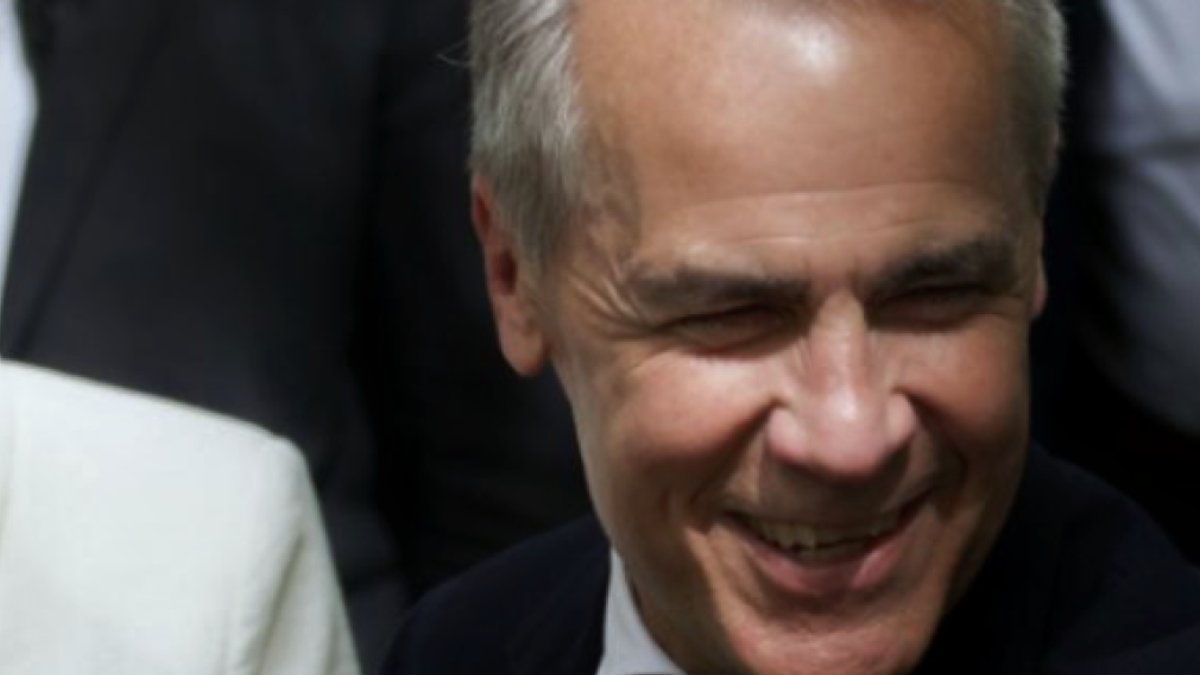
Advocates of a well‑being economy turned to Mark Carney as the figure who could reshape Canada’s fiscal priorities toward health and environmental quality, yet the 2025 spending bill fell short of those expectations. Carney previously served in 2020 as the United Nations’ Special Envoy for Climate Action and Finance, a role that heightened expectations for climate‑linked fiscal reform.
High hopes meet a stark fiscal plan
Carney, who previously served as the United Nations climate finance envoy, argued in his 2022 book Values that economies should serve public welfare rather than market forces. His appointment sparked optimism among reformers who see a chance to embed well‑being metrics in national accounting, and many believed his leadership could translate theory into policy. Observers noted the budget marked a sharp break from the Trudeau era’s emphasis on expansive social and health programs, shifting the policy tone.
The new fiscal proposal, however, drew sharp criticism from scholars and activists. “spectacularly disappointing for its failure to meet the moment,” said Dr. Lindsay McLaren, a community health sciences professor at the University of Calgary. She added that the plan “is not engaging with these problems in any meaningful way,” emphasizing the gap between rhetoric and actionable measures. Advocacy lead Simon Ticehurst of the Wellbeing Economy Alliance warned that tariff threats from the United States had given the government political cover to pursue a conservative, regressive budget.
Shift toward investment and industry subsidies
Under the Build Canada Strong initiative, the government frames the pivot as a response to global tensions, defence needs and the clean‑energy transition. The centerpiece is the Climate Competitiveness Strategy, which seeks to cut industrial emissions through corporate subsidies and innovation grants rather than direct regulation. This approach reflects a belief that market incentives can drive greener outcomes. The government also frames climate change as an economic threat, arguing that market‑driven investment can safeguard growth while reducing emissions.
Related Post: AI Companies Will Exploit Canada’s Mental Health Crisis
Critics argue that this “investment‑as‑intervention” approach sidesteps urgent public‑health threats. They note widening health and social gaps, a climate emergency and rising disease outbreaks that remain unaddressed in the spending bill, suggesting that the emphasis on industry support may come at the expense of vulnerable populations.
Health experts warn of widening gaps
Dr. Melissa Lem, a clinical assistant professor at UBC’s Faculty of Medicine, emphasized that public policy shapes the social determinants of health, which drive most everyday outcomes. “Air pollution is minimized, our food supply is uncontaminated and we’re able to access timely and expert care for medical issues,” she wrote in an email, adding “Not many of us think about that on a daily basis.” Her remarks underline how environmental quality directly influences health metrics. Lem, who previously chaired the Canadian Association of Physicians for the Environment, highlighted that environmental safeguards underpin the social determinants she describes.
Emergency physician Dr. Joe Vipond observed, “The vast majority of the time when I’m dealing with somebody with mental health issues, there’s an element of financial stress.” He linked patient stress to policies that prioritize constant economic growth, pointing out that financial insecurity can exacerbate mental‑health crises.
Law reform manager Melissa Gorrie of Ecojustice warned that the plan seeks to weaken greenwashing legislation passed in June 2024, a move she likens to the need for strong controls on tobacco advertising. She argued that rolling back those protections could allow companies to overstate environmental benefits without real impact.
Implications for communities near resource projects
The fiscal proposal creates a Major Projects Office to accelerate nation‑building projects, including expanded liquefied natural gas production and mining on Treaty territories. These initiatives promise jobs but also raise health concerns, especially for Indigenous and rural communities that have historically borne the brunt of resource extraction.
Related Post: Canadians expect health care solutions as Parliament resumes
Research cited by Lem shows that residents near fracking sites face higher rates of cancer, heart disease, lung disease, birth defects and premature death. Doctor shortages compound the problem, with some physicians leaving affected regions to protect their families, thereby reducing local access to care.
For people living close to these developments, the shift means daily exposure to pollutants and limited access to medical care, a reality that can erode community resilience and increase long‑term health costs. The combination of environmental risk and reduced medical services creates a feedback loop that may deepen socioeconomic disparities.
In 2022 Canada joined a handful of Western nations in pledging to build a well‑being economy. The previous fiscal plan had introduced a framework to incorporate quality‑of‑life measures into budgeting. “When you think about it, it’s literally the government’s job to protect and support our well‑being,” McLaren said, reminding readers that those early “seeds” remain un‑nurtured.
The debate continues as legislators weigh short‑term economic gains against long‑term health outcomes.

Broader Medical Roles May Endanger Patient Care


