Canadians expect health care solutions as Parliament resumes
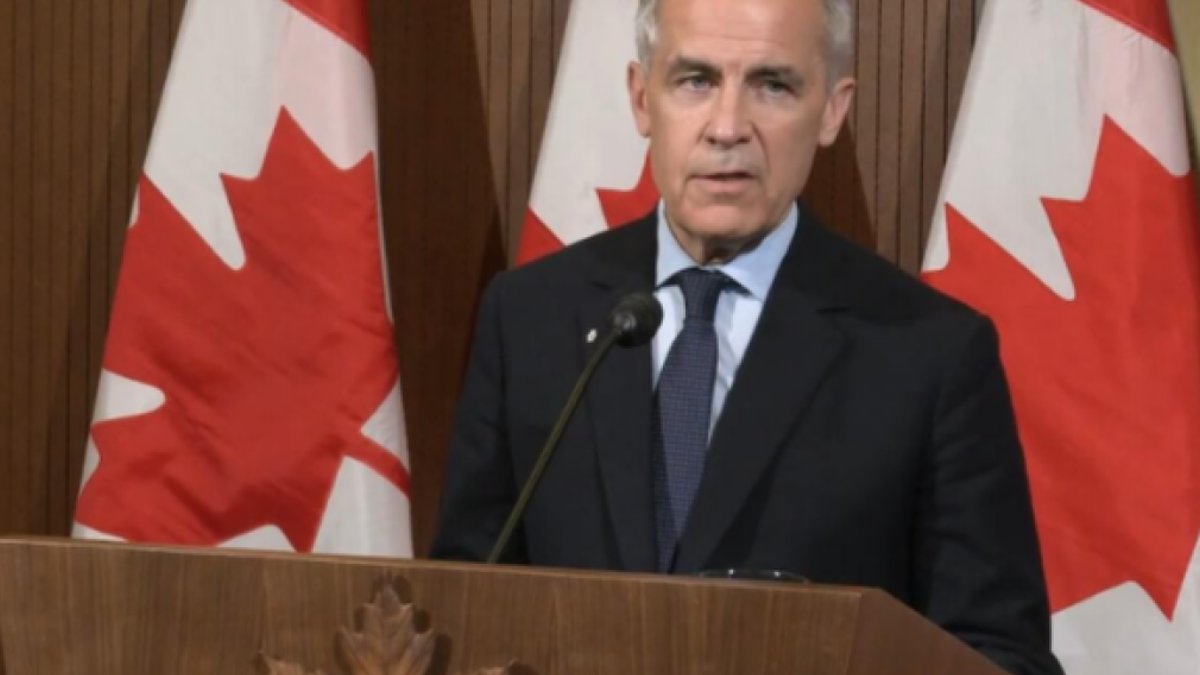
Canadians expect health care solutions as Parliament resumes, with nearly 90 per cent of the population viewing universal access as a top priority for the government. Members of Parliament returned to Ottawa last week facing an unprecedented set of issues, including a housing crisis, trade war tactics, and global conflicts. Amid this international chaos, the domestic focus has shifted to the healthcare system, which faces an estimated shortage of 6.5 million Canadians without a family doctor. Surgery and diagnostic delays persist despite the end of the pandemic, pushing some patients toward private options and draining personal savings to find timely relief.
The Liberal party campaigned on several initiatives to address these gaps, including adding thousands of new doctors, scaling up team-based care, and reducing administrative paperwork. Since the election, the federal Health Minister has signaled interest in reintroducing legislation to enhance digital health solutions. While these promises have been welcomed by some, the gap between political pledges and actual policy implementation remains significant. A recent poll indicates that the vast majority of the public wants these commitments translated into concrete action immediately.
The Canadian Medical Association has been vocal about the need for modernization, specifically calling for the elimination of barriers to physician mobility and easier immigration pathways for medical professionals. The organization argues that a national approach to workforce planning is essential to resolve staffing shortages. The federal government’s new “Buy Canada” strategy, which prioritizes domestic suppliers for procurement programs, offers a potential avenue for this modernization. By redirecting the $370 billion spent annually on healthcare goods and services, the government could create jobs and support domestic innovation while addressing supply chain vulnerabilities.
Related: Quebec Bill 2 Threatens Children’s Health
Healthcare systems around the world are currently under immense pressure to adapt to aging populations and shifting disease patterns. In Canada, the reliance on provincial funding models has often created inconsistencies in service availability across different regions. When patients cannot find a family doctor, they frequently end up in emergency rooms for non-emergency issues, placing additional strain on an already fragile infrastructure. This creates a cycle where wait times increase, further discouraging patients from seeking preventative care until it becomes an urgent crisis.
Shared responsibility beyond partisan lines
Dr. Margot Burnell, an oncologist in New Brunswick and the president of the Canadian Medical Association, addressed the new Parliament directly. In a plea for bipartisanship, she emphasized that healthcare is not a partisan sport. She noted that all Members of Parliament know the personal impact of care delays, whether for themselves or their families. Burnell urged legislators to set aside “partisan sniping” and focus on practical solutions that benefit the people they represent.
Addressing the issue of physician mobility is particularly critical given the aging workforce. Many experienced doctors are approaching retirement age, while immigration policies have historically been slow to recognize foreign credentials. If Canada cannot retain and attract international talent, the projected shortage of family doctors will only worsen. Team-based care models, which allow nurses and nurse practitioners to handle a larger volume of routine cases, have shown promise in reducing wait times, yet their implementation varies widely across the country.
Related: Simple steps to manage your emotions
Burnell highlighted the broader context of these staffing challenges. The medical community is deeply concerned about how these deficits will impact patient outcomes over the coming years. Provincial leaders also face difficult decisions regarding how to allocate limited resources effectively. These pressures have led to a growing discussion about the role of private care in supplementing public services. [1] The debate often touches on whether private systems could help alleviate the burden on the public system, though opinions remain divided on the specifics.
Long wait times for diagnostics remain a major barrier to effective treatment. Patients often wait weeks or even months for basic tests like MRIs or CT scans. This delay can turn a manageable condition into a serious health issue. The frustration among patients is palpable, leading to a loss of trust in the system. Many feel that the current structure is too rigid to respond to individual needs in a timely manner. Consequently, some individuals are exploring private options, which can be prohibitively expensive for the average citizen.
Emotional tolls on families are another critical factor. Watching a loved one suffer due to a lack of timely care creates immense stress. The financial strain of paying for private services adds another layer of difficulty. It is essential to find a balance that maintains the universality of care while ensuring access. This requires a coordinated effort between federal and provincial governments. [2] Effective management of emotions and resources is vital for maintaining a stable healthcare environment. Without such stability, the system risks further deterioration.

Quebec Bill 2 Threatens Children’s Health


