Three Hospitals Receive F Safety Grades
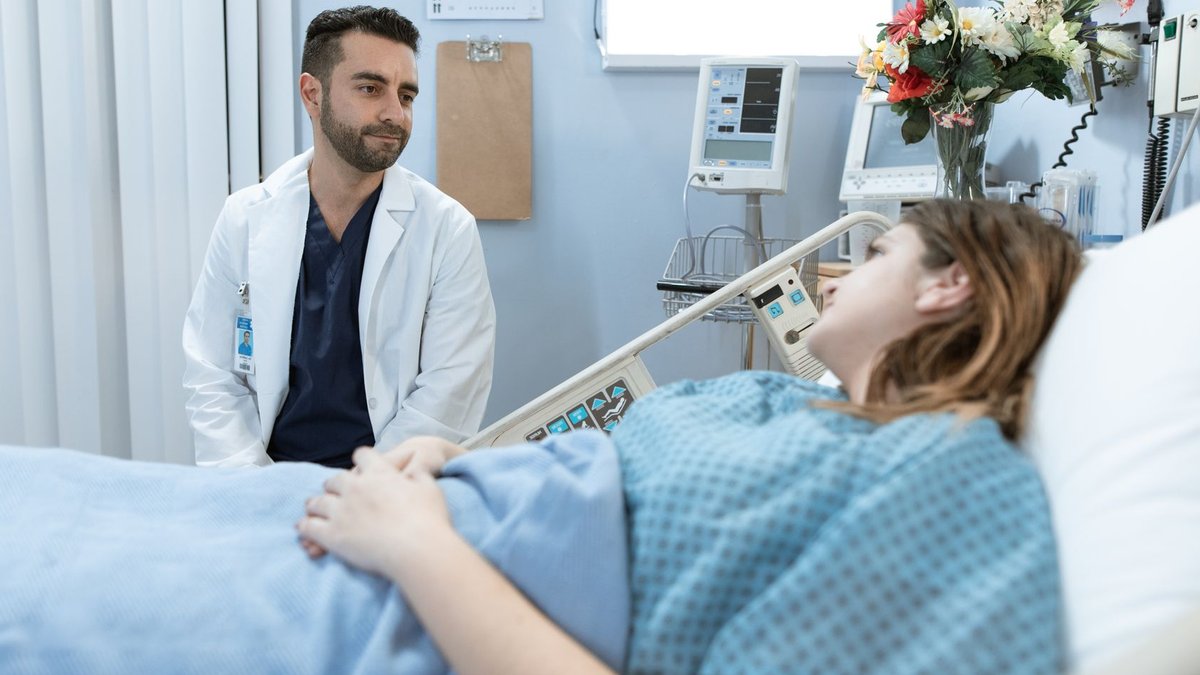
The Leapfrog Group’s fall 2026 Hospital Safety Grades, released on November 18, gave F ratings to three hospitals: Howard University Hospital in Washington, D.C., Roseland Community Hospital in Chicago, and WVU Fairmont Medical Center in Fairmont, West Virginia.
According to the report, 900 hospitals received an A grade, 774 received a B, 655 received a C, 35 received a D, and three received an F. This is a decrease from the spring 2026 grades, which had five F hospitals.
The failing list raises practical concerns for patients in Washington, D.C., Chicago’s Far South Side, and Fairmont, West Virginia, about where to go for planned surgeries or hospital stays. An F grade does not mean a hospital cannot provide good care, and in emergencies, the nearest emergency room is still the best option.
Hospitals with Failing Grades
Roseland Community Hospital and WVU Fairmont Medical Center both earned failing marks in the spring 2026 ratings, joining four other hospitals nationwide with F grades. Howard University Hospital, though not on this list, had previously received F ratings in earlier evaluations, such as fall 2022 and fall 2024.
No responses from the three hospitals about their fall 2026 ratings were available before publication. Roseland had previously challenged an F rating, with CEO Tim Egan calling the assessment ‘deeply disappointing’ and claiming it overlooked factors like socioeconomic influences on health outcomes.
Roseland is a safety-net hospital on Chicago’s Far South Side, and the debate over safety grades often centers on the tension between a low score reflecting real gaps in care and the limited resources available to fix them.
Grading Process
Leapfrog assigns grades by evaluating how effectively hospitals prevent avoidable mistakes, harm, and infections, using federal CMS data alongside its own hospital survey. The evaluation combines procedural standards—like digital prescription systems—and patient outcomes, such as infection rates, post-surgery complications, and retained foreign objects.
For the fall 2026 ratings, Leapfrog excluded a staff responsiveness metric after CMS halted its public reporting, instead emphasizing nurse-patient communication. Some hospitals that didn’t participate were marked as ‘Grade Not Assigned’ due to legal restrictions.
Leapfrog is appealing a federal court ruling that led to the Grade Not Assigned listings. Veterans Affairs, critical access, and children’s hospitals are not graded.
Research by the Purchaser Business Group on Health showed no clear correlation between hospital quality ratings and the prices they negotiate with employers. Leah Binder, Leapfrog’s CEO, emphasized that ‘poor care shouldn’t come with a high price tag’ and called for stronger price transparency tied to safety metrics.
Read Also: High GLP-1 Drug Costs Block Access for Many Americans
More hospitals than ever are now voluntarily sharing their safety performance data publicly. Meanwhile, the federal government recently updated rules to simplify how health insurers disclose pricing information to consumers.
Connecticut led the nation, with 64.3% of its hospitals earning an A. Iowa, North Dakota, South Dakota, Vermont, and Wyoming had no A hospitals. Patients can look up a hospital at hospitalsafetygrade.org and review individual measures.
If experiencing severe symptoms like chest pain or difficulty breathing, seek emergency care immediately by calling 911.
The next Leapfrog grades are due in spring 2027, and patients can use the current grades to make informed decisions about their care. As healthcare continues to evolve, the importance of safety grades and price transparency will only continue to grow, with Leapfrog playing a key role in promoting patient safety and quality care.
Since 2012, eleven hospitals have consistently earned top A grades in every Leapfrog review, including the University of Chicago Medical Center and Northwestern Medicine Central DuPage Hospital.
Leapfrog assesses general acute care facilities twice yearly based on their ability to minimize preventable errors, injuries, and infections. The ratings rely on CMS data and responses from hospitals participating in Leapfrog’s voluntary surveys.
Price and Safety Transparency
In Seattle, an A hospital negotiated inpatient rates of 195% to 239% of a national Medicare benchmark.
A C hospital in the same market negotiated 350% to 467%. Leah Binder urged the administration and Congress to pair price transparency with safety and quality data.
Infection rates and surgical complications may matter most for someone having an operation.

High GLP-1 Drug Costs Block Access for Many Americans


