Lyme Disease Leaves Lasting Marks on Mouse Immune Cells
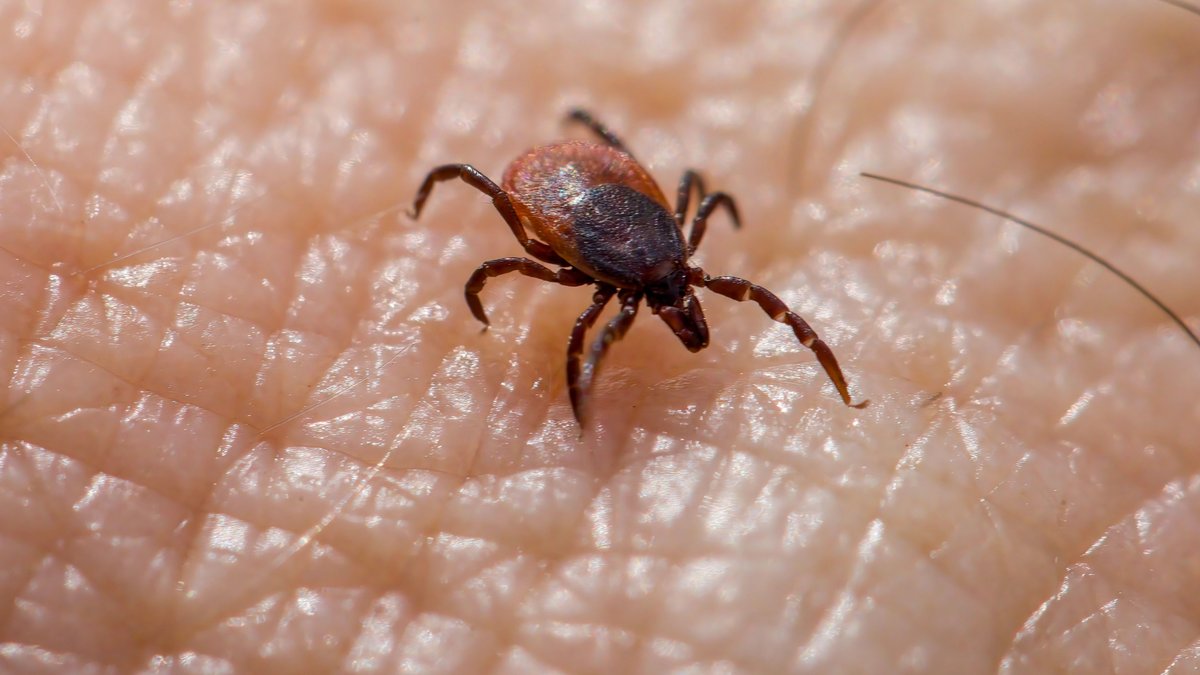
Tufts University researchers found that a Lyme disease infection in mice led to persistent chemical alterations in bone marrow immune cells, with similar changes seen in mice treated with antibiotics, as reported in the journal iScience.
The study, conducted entirely in mice, does not confirm that the same changes occur in humans or that they cause the fatigue, aches, and cognitive issues some patients report long after treatment. However, it offers a potential biological clue to one of Lyme disease’s most puzzling issues: why some people still feel unwell months after completing antibiotics, with no clear medical explanation.
Epigenetic Changes in Bone Marrow Cells
Led by Yuelin Zhong, a PhD student in immunology, and Tanja Petnicki-Ocwieja, a research assistant professor of molecular biology and microbiology, the team infected mice with Borrelia burgdorferi, the bacterium responsible for Lyme disease. They focused on bone marrow, where immune cells originate.
The infection triggered distinct epigenetic changes in bone marrow cells. These changes, which do not alter genes themselves, affect which genes are activated or deactivated. The most significant effects were observed in macrophages, immune cells that act as early responders to invading pathogens.
Macrophages from infected mice showed reduced activity in genes that drive inflammation for at least 15 weeks after infection. Petnicki-Ocwieja explained that these macrophages “appear to sound fewer of those alarms.”
This builds on the lab’s 2023 study in PLoS Pathogens, which found that the Lyme bacterium triggers early reprogramming in macrophages, leading to long-term suppression of inflammation.
Antibiotics Did Not Reverse Changes
These animals still exhibited altered immune responses, suggesting that some changes occur early and persist even after treatment.
Read Also: Colorado Hospitals See Sharp Rise in COVID, RSV Cases
This finding is significant because patients with lingering symptoms often question whether the bacteria remain in their bodies. In this mouse model, the immune system appeared to retain a memory of the infection, even after antibiotic treatment.
Zhong noted that a single exposure to the Lyme bacterium may be enough to cause long-term effects on the immune response. If confirmed in humans, this could change how they approach recovery from Lyme disease.
The study included Linden Hu, the Paul and Elaine Chervinsky Professor of Immunology and a leader in Tufts’ Lyme disease research, as a co-author.
Such a marker could address a critical gap, as there are currently no approved laboratory tests or objective biomarkers for diagnosing persistent illness after Lyme disease.
It remains unclear whether these muted immune responses are beneficial or harmful. Reduced inflammation might protect tissues from damage, but it could also alter how the body responds to future infections. The study did not investigate which effect prevails.
The team plans to create epigenetic profiles by comparing blood immune cells from patients with lingering symptoms to those who recovered. This analysis will be part of a large, multi-institution study led by Tufts, which follows patients for up to 15 months after diagnosis.
Most people recover fully after a two- to four-week course of oral antibiotics. However, 5% to 10% experience prolonged fatigue, body aches, or cognitive difficulties after treatment, according to the CDC. These patients typically improve over time without additional antibiotics, though recovery can take many months.
Read Also: Three Hospitals Receive F Safety Grades
Seek medical attention for symptoms like an expanding rash, fever, fatigue, or joint aches after a tick bite. Immediate care is necessary for facial drooping, heart palpitations, or a severe headache with a stiff neck. Updates on the Tufts team’s findings from patient blood samples will be reported as they become available.
Study Limitations and Future Directions
The study, published in the peer-reviewed journal iScience, did not specify the number of mice used, their strain, the type of antibiotic administered, or the duration of treatment. These details are important for understanding the study’s scope and potential applicability to humans.
Implications for Treatment and Prevention
The study does not support the use of extended antibiotic courses for treating persistent Lyme disease symptoms. According to the CDC, careful studies have shown that prolonged antibiotic treatment is no more effective than a placebo for these symptoms.
Post-Treatment Lyme Disease Symptoms and Prevention
Most individuals recover fully after a standard two- to four-week antibiotic course. These symptoms can persist for months, despite no evidence of ongoing infection. Extended antibiotic treatment has not proven effective for these cases, with studies showing no benefit over placebo.
Patients with lingering symptoms should consult clinicians to rule out other conditions that may cause similar issues, such as thyroid problems, sleep disorders, or depression. Caution is advised regarding clinics promoting long-term antibiotics or unproven treatments. Prevention remains key, especially as temperatures rise. Blacklegged ticks, carriers of Lyme disease, remain active above freezing temperatures.
Using EPA-registered repellents, conducting thorough tick checks after outdoor activities, and promptly removing attached ticks can significantly reduce infection risk.


