Colorado Hospitals See Sharp Rise in COVID, RSV Cases
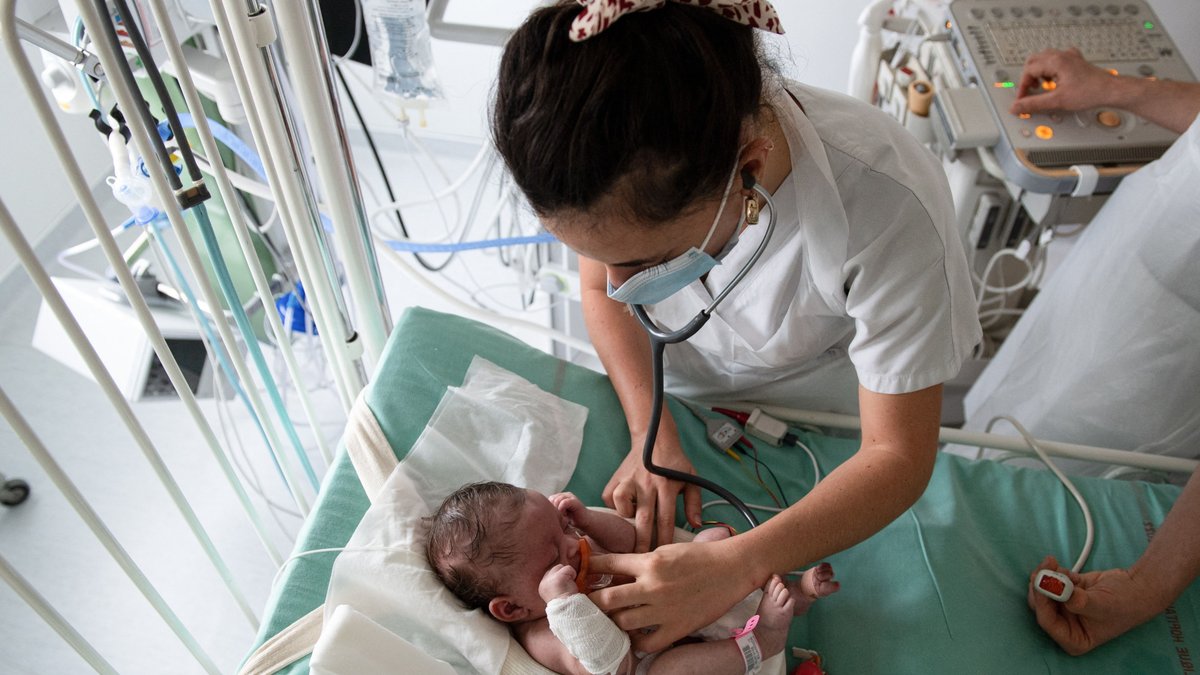
Colorado hospitals saw a 50% jump in COVID-19 admissions for the week ending Nov. 14, with 87 patients admitted compared to 58 the previous week. The state also recorded a sharp rise in RSV cases, more than doubling from 6 to 15 admissions, with 11 of those being children, according to data from the Colorado Department of Public Health and Environment.
While flu remains the dominant concern this season, with 157 admissions in the same week, the recent uptick in COVID and RSV cases adds complexity for families planning holiday gatherings. Older adults, who face the highest COVID risk, and infants, most vulnerable to RSV, often share the same table during these events.
A Sudden Spike After Weeks of Stability
The recent COVID-19 admissions mark a notable shift after weeks of flat numbers. Since early October, weekly admissions had hovered between 37 and 58, making the jump to 87 stand out. However, this figure remains significantly lower than the 344 admissions recorded during the same week in 2023.
Other indicators also reflect this trend. COVID-related emergency department visits rose to 0.6% from 0.43%, and wastewater levels shifted from low to moderate in the week ending Nov. 7, according to CDC ratings. Test positivity, however, dipped slightly to 4.4%.
While one week doesn’t establish a trend, the state’s next updates will reveal whether this rise continues. Nationally, COVID activity remains low, though wastewater levels are moderate, particularly in the West.
RSV’s Early Rise and Prevention Tools
RSV admissions, which more than doubled in a week, are still low in absolute numbers but notable for their timing. Last season, Colorado’s RSV peak occurred much later, in late February, suggesting this season’s increase may be just beginning.
RSV typically causes mild cold symptoms in older children and adults but can lead to severe respiratory issues in infants. The CDC highlights it as the leading cause of infant hospitalization in the U.S.
Prevention options are more advanced than many realize. Pregnant individuals can receive a maternal vaccine between weeks 32 and 36, or infants under 8 months can get an antibody shot if their mother wasn’t vaccinated. Most babies require only one of these measures.
Flu, however, remains the dominant respiratory virus in Colorado, with 689 hospitalizations since early October, compared to 107 at this point last year. National forecasts predict a continued rise in flu admissions through late November.
Related Post: Canada should lead AI health alliance
This overlap of viruses poses challenges, particularly for individuals with chronic conditions and smaller hospitals with limited pediatric capacity. The CDC recommends COVID vaccination for adults and specific at-risk groups, while RSV prevention focuses on maternal vaccination or infant antibody shots.
As holiday gatherings approach, health officials urge those with symptoms to avoid attending, especially if newborns or vulnerable individuals are present. Early treatment with antivirals is key for high-risk groups, and parents should monitor infants for severe RSV symptoms like rapid breathing or feeding difficulties.
Protecting Vulnerable Populations
Older adults and infants are particularly vulnerable to COVID-19 and RSV, respectively. In October, 125 of the 210 COVID-19 admissions in Colorado were individuals aged 65 and older.
For RSV, infants younger than 6 months had the highest admission rate, although this only accounted for seven babies.
The CDC recommends the 2026-27 COVID-19 vaccine for adults 18 and older, and for children and teens with weakened immune systems. Pharmacists in Colorado can administer COVID-19 vaccines without a prescription, thanks to a statewide standing order.
In Colorado, there have been 19 COVID-19 outbreaks in nursing homes and residential care facilities since October 4, compared to 36 at the same point last year. This highlights the ongoing need for vigilance and protection measures, especially for vulnerable populations.
Vaccination and Prevention Measures for Respiratory Viruses
Those with weakened immune systems are advised to get vaccinated, while others may do so after consulting a clinician. For RSV, a single-dose vaccine is recommended for adults 75 and older, as well as those aged 50 to 74 at higher risk.
Parents of infants under 8 months can consult pediatricians about an antibody shot, which is covered by most insurance. Children eligible for the Vaccines for Children program can receive it at no cost. Health officials emphasize that individuals with symptoms like fever, cough, or sore throat should avoid gatherings, especially those involving newborns or frail relatives. Early use of prescription antivirals for COVID and flu is advised for high-risk groups, and parents are urged to seek urgent care for infants showing severe RSV symptoms.

Three Hospitals Receive F Safety Grades


