Try these easy detox bath recipes
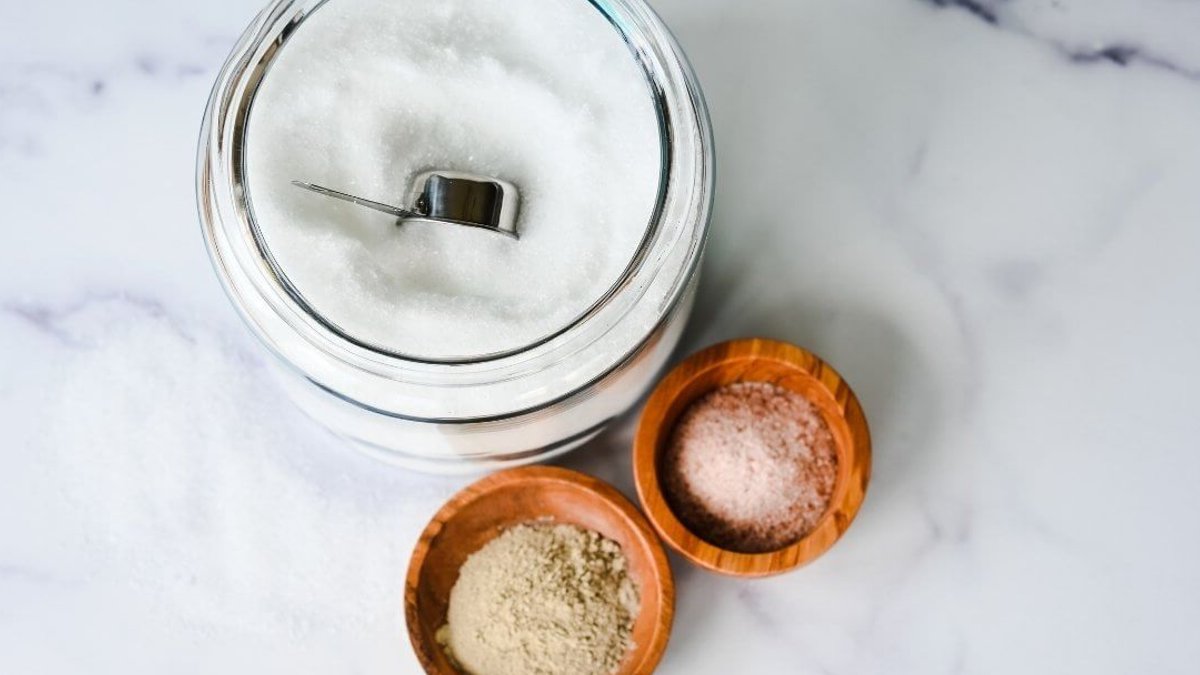
Detox baths have become a popular method to support relaxation and skin health using common household ingredients like Epsom salts, clay, and vinegar. These soaking rituals are often used to soothe skin irritation and restore minerals. Some find them helpful for unwinding after exposure to environmental pollutants, though ingredients may not suit everyone.
How detox baths are supposed to work
The concept relies on the idea that certain ingredients may interact with the body while soaking in warm water. Epsom salts are often used in baths, and bentonite clay is believed to absorb heavy metals. Apple cider vinegar is sometimes added for its potential to balance skin pH.
While the body naturally detoxifies through organs like the liver and kidneys, some suggest that modern lifestyles—with processed foods, pollution, and synthetic chemicals—may benefit from additional support. A detox bath is one way to provide that without invasive methods.
Most recipes recommend soaking for 20 to 30 minutes. Users are advised to drink water before and after, and to avoid these baths if pregnant, nursing, or dealing with health conditions without medical advice.
Related: Penzance’s Radiant Revolution: Lab Grown Diamonds Transforming Trends
Five common detox bath recipes
The simplest version combines Epsom salts, baking soda, and apple cider vinegar. To prepare it, boil two cups of water and pour it slowly into a jar with ¼ cup each of sea salt, Epsom salt, and baking soda. The mixture will foam, so care is needed. Once dissolved, it’s added to a warm bath along with ⅓ cup of vinegar and optional essential oils like lavender.
A clay bath involves mixing bentonite clay with water to form a paste or dissolving it directly in the tub. The clay may bind to some substances, though users should avoid metal utensils, as the clay can react with them. A drain filter helps prevent clogging.
Mustard baths, made with mustard powder, are sometimes used for muscle soreness. The spice is thought to improve circulation. Apple cider vinegar baths, often used for dry or itchy skin, involve soaking in a tub with one to two cups of vinegar, sometimes followed by a cool rinse.
These ingredients can be used alone or combined, but starting with small amounts is wise to test tolerance. Some people feel tired afterward, so it’s often recommended as an evening ritual.
What to watch for
Not all detox bath ingredients are safe for everyone. Essential oils like peppermint, cinnamon, or oregano can irritate skin or mucous membranes, leading to burning or discomfort. Those with sensitive skin may react to clay or vinegar.
Related: Do These 7 Ways to Prevent Toddler Tooth Decay
There’s debate over whether these baths provide specific benefits. Many users report feeling refreshed, even if the effects are more anecdotal than proven.
For those concerned about tap water contaminants, adding bentonite clay or using a bath filter is sometimes suggested. However, the amount of chemicals absorbed during a short soak is likely minor.
Even if the effects are uncertain, these baths offer a simple way to relax. The rituals—lighting candles, dimming lights, setting aside time—can be as beneficial as the ingredients.
A similar approach to wellness can be found in potato salad recipes that incorporate unexpected twists for added flavor and nutrition.

Potato Salad Gets Dill Pickle Twist


