How arts and crafts boost emotional health
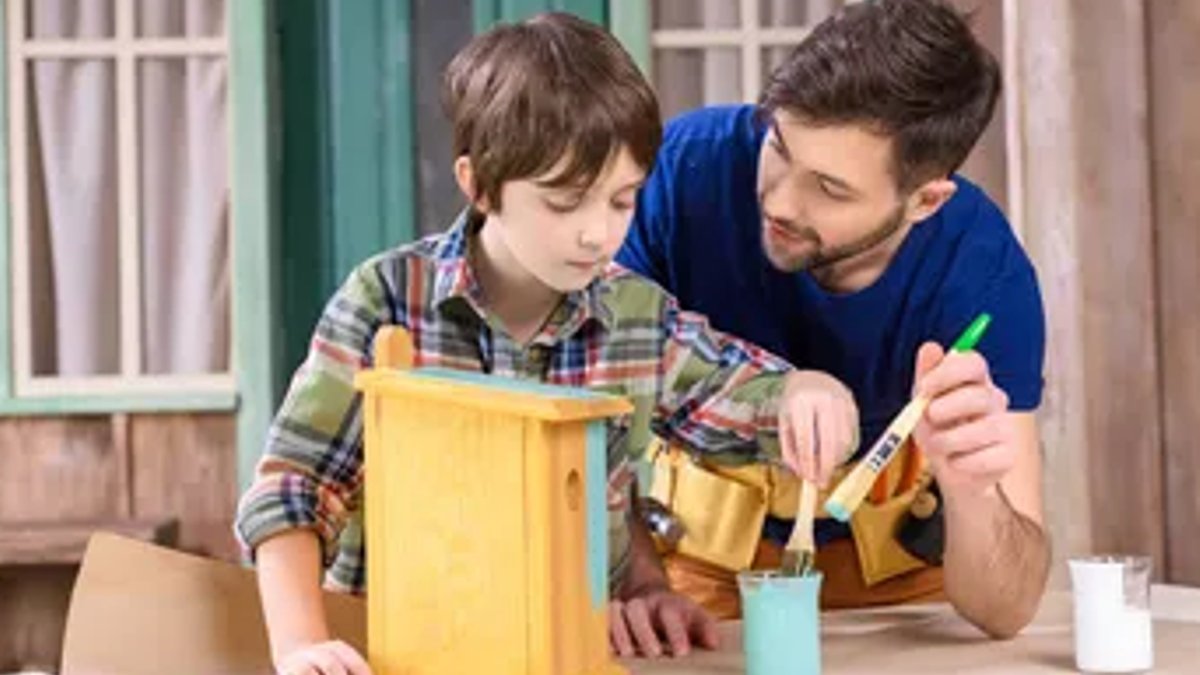
Engaging in arts and crafts—whether painting, sculpting, scrapbooking, or photography—can quietly improve mental well-being. Research suggests these activities offer measurable emotional benefits, from reduced stress to sharper cognitive function.
Stress relief through creative focus
A study in the American Journal of Public Health found that people who regularly practice art experience lower stress levels and a more positive emotional state. The act of creating can shift attention away from negative thoughts, inducing a meditative effect. Over time, this may lead to clearer thinking and reduced anxiety.
Dr. Arnold Bresky, a physician who uses art therapy for Alzheimer’s patients, reported that his patients’ memories improved by 70% after consistent creative engagement. Senior care facilities have also adopted similar approaches for dementia patients, citing reduced psychiatric symptoms.
Confidence and cognitive boosts
Finishing a piece of art can trigger a surge of dopamine, a neurotransmitter linked to motivation and emotional regulation. This chemical response may lower feelings of depression while reinforcing self-confidence. The sense of achievement from completing a project can be particularly rewarding.
Art also stimulates the brain in ways that enhance productivity. Dopamine-driven neuron growth improves focus, learning capacity, and mental resilience. Activities like painting or crafting engage both hemispheres of the brain, strengthening connections that support problem-solving and critical thinking.
Related: 10 Remarkable Health Tips For August 2026
At University College London, researchers found that simply viewing art can sharpen analytical skills and provide satisfaction. Another study by Professor Semir Zeki noted that people who engage with art tend to develop greater empathy and tolerance for others.
For those with chronic illnesses, creative expression may offer tangible relief. The same American Journal of Public Health study observed that patients with Alzheimer’s and dementia showed improved symptoms after exposure to art, suggesting its potential as a complementary therapy.
Beyond individual benefits, group art projects encourage collaboration. Participants must communicate, share ideas, and work toward a common goal, supporting teamwork and social bonds. These interactions can create a sense of belonging, whether in workshops, community classes, or informal gatherings.
The emotional payoff isn’t limited to complex projects. Even small, low-pressure activities—like doodling or assembling a collage—can provide a mental reset. The key is consistency, not perfection. For those looking to strengthen emotional resilience, arts and crafts offer a practical, accessible tool.
At home, options abound: sketching, knitting, or upcycling old materials. The materials don’t need to be expensive, and the process doesn’t require expertise. What matters is the act of creation itself—and the quiet benefits that follow.

10 Remarkable Health Tips For August 2026


