Man regains sight with tooth implant after drug reaction
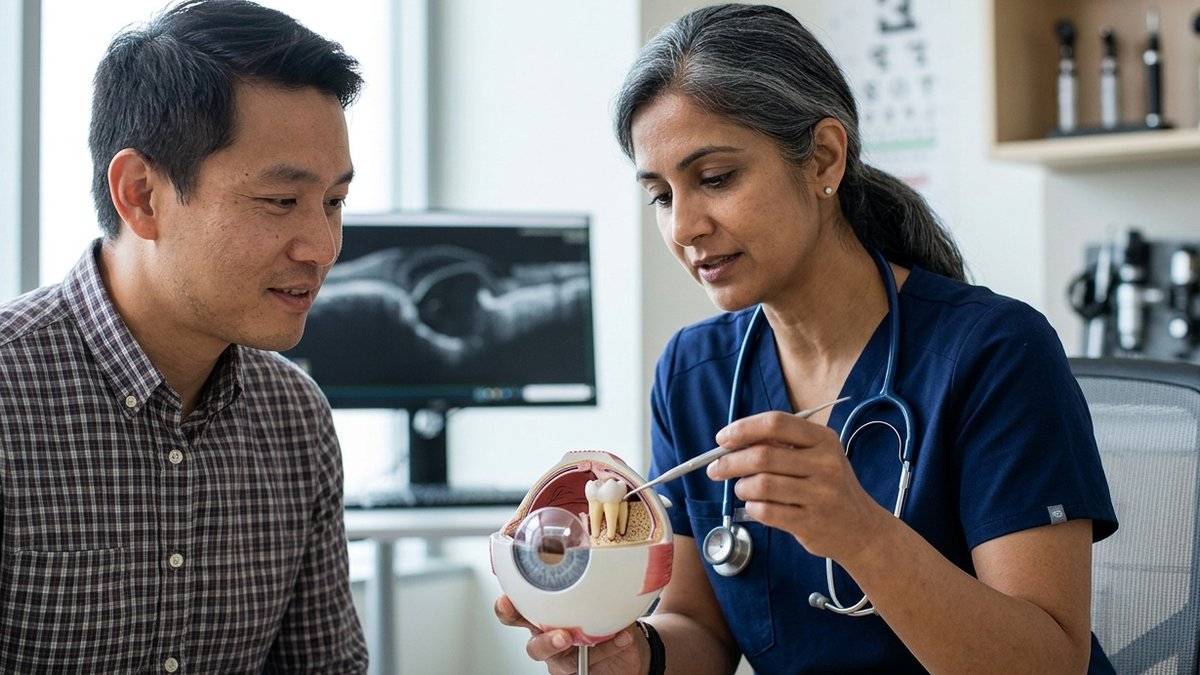
Brent Chapman’s life took a dramatic turn at the age of 13, when he participated in a high school basketball tournament and fell ill, prompting him to take ibuprofen. This ordinary action led to an extraordinary and severe reaction, known as Stevens-Johnson syndrome, which ravaged his skin and eyes.
Chapman spent 27 days in a coma, and upon recovery, he was left with irreversible blindness in his left eye and significant damage to the cornea of his right eye. Over the next 20 years, he underwent approximately 50 procedures, including 10 corneal transplants, but none of them were successful. In 2025, a team of surgeons at Mount Saint Joseph Hospital in Vancouver performed a new procedure, implanting one of Chapman’s own teeth into his right eye, restoring usable sight.
The innovative tooth-in-eye operation has garnered significant attention, but the lesser-known aspect of Chapman’s story is the rare reaction that started it all – a reaction triggered by a common medication found in many households.
A Devastating Drug Reaction’s Impact on the Eyes
Stevens-Johnson syndrome, or SJS, typically begins with flu-like symptoms, followed by a painful rash that spreads and blisters, according to the Mayo Clinic. The condition can cause the top layer of affected skin to die and shed, with a more severe form known as toxic epidermal necrolysis. The eyes are often affected, with a 2023 review in Ophthalmology and Therapy reporting that 50% to 80% of patients with SJS or toxic epidermal necrolysis experience acute eye symptoms, and about half suffer from severe early eye complications.
Read Also: HHS Revamps Dementia Plan, Drops 2025 Treatment Goal
Long-term damage from SJS can include severe dry eye, scarring of the eye’s surface, and abnormal blood vessel growth into the cornea. This hostile environment is why standard transplants often fail in patients with SJS. Dr. Greg Moloney, Chapman’s surgeon, described the challenge of transplanting a cornea into such an environment as “like trying to plant a flower in a desert.”
The Unlikely Odds of a Common Painkiller’s Rare Side Effect
Stevens-Johnson syndrome is a rare condition, with a population-based study estimating an average of 3,834 new SJS-spectrum cases per year in the United States, or approximately 12.35 cases per million people annually. Various medications, including the gout drug allopurinol, seizure and psychiatric medications, sulfa antibiotics, and pain relievers like acetaminophen, ibuprofen, and naproxen sodium, have been linked to SJS. Infections such as pneumonia can also contribute to the condition.
An analysis of the FDA’s adverse event reporting database found that ibuprofen had the strongest reporting association with SJS among five common pain relievers. However, this data does not capture the actual risk, as it only reflects reported cases and not the number of people who took the medication without issues. The same analysis revealed that ibuprofen-associated reports had the lowest fatality rate among the group.
The FDA’s ibuprofen Drug Facts label warns of the potential for a severe allergic reaction and advises users to stop taking the medication and seek medical help immediately if symptoms occur. The vast majority of people who take ibuprofen do not experience any severe reactions, and the medication is generally safe when used as directed.
Read Also: Four Charged in $1.6B Sober Home Fraud Scheme
A Tooth Transplant Offers New Hope for Vision Restoration
Osteo-odonto-keratoprosthesis, a procedure developed in the 1960s, is a last resort for severe corneal blindness and can only be performed on patients with functioning retinas and optic nerves. In February 2025, Dr. Moloney led the first stage of the procedure, where an oral surgeon removed one of Chapman’s canine teeth, along with surrounding bone, and shaped it into a thin block. The tooth was then drilled and fitted with a plastic optical cylinder and placed in Chapman’s cheek to allow tissue to grow around it.
In June, the assembly was implanted into Chapman’s right eye, and an August procedure corrected the lens position. With glasses, Chapman achieved 20/30 vision, and he told CBC, “I hadn’t really made eye contact in 20 years.” Dr. Moloney estimates that several hundred people worldwide have undergone this procedure, and the Bascom Palmer Eye Institute in Miami is the only U.S. center performing it.
According to TODAY, Chapman’s chances of maintaining his current level of vision for 30 years are approximately 50%, although studies show that the implant itself remains in place and functional in over 90% of cases after 30 years. Chapman’s case shows the value of prompt medical attention in the event of a severe reaction and the importance of informing clinicians and pharmacists about any medications linked to SJS.


